Home / Blog



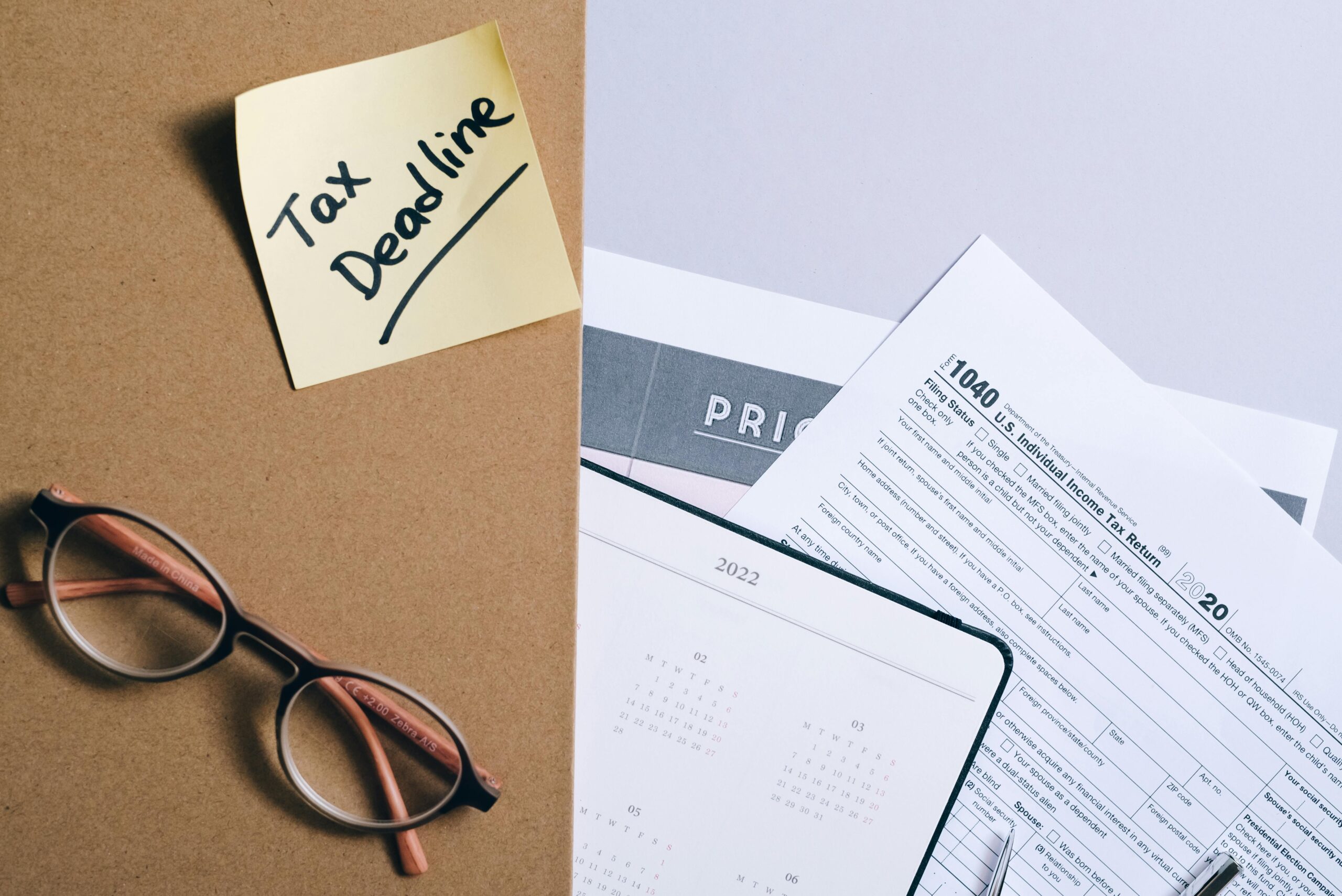
The end of financial year (EOFY) is 30 June 2026 — and that deadline is approaching fast. For Australian small business owners, this is the most important time of year to review your expenses, maximise your deductions, and reduce your tax bill legally and legitimately.
Every year, thousands of Australian SMEs pay more tax than they need to simply because they do not know what they can claim. This checklist covers every major deduction category available to small businesses in 2026 so you do not leave money on the table.
A tax deduction reduces your taxable income — which means you pay tax on a smaller amount. For example, if your business earns $150,000 and you have $40,000 in legitimate deductions, you only pay tax on $110,000.
To claim a deduction, the ATO requires that:
With that in mind, here is your complete 2026 EOFY checklist.
These are your day-to-day business costs and are almost always fully deductible:
If you use a vehicle for business purposes, you can claim a portion of the running costs. In 2026, there are two methods:
Logbook method — claim the business-use percentage of all vehicle costs (fuel, registration, insurance, servicing, depreciation). You need a logbook covering at least 12 continuous weeks to substantiate the claim.
Cents per kilometre method — claim a flat rate per business kilometre travelled (up to 5,000 km per year). No logbook required but you must be able to explain how you calculated the kilometres.
Other travel deductions include:
Note: Travel from home to your regular workplace is not deductible. Travel between two different workplaces is.
This is one of the biggest deductions available to Australian small businesses right now — and it expires on 30 June 2026.
The instant asset write-off allows businesses with turnover under $10 million to immediately deduct the full cost of eligible assets costing less than $20,000 — rather than depreciating them over several years.
Assets that qualify include:
The deadline is real. Assets must be purchased AND installed and ready for use before 30 June 2026 to qualify for this financial year. If you have been putting off a business purchase, now is the time to act.
If you have staff, these are all deductible:
If you run your business from home or work from home part of the time, you can claim a portion of household expenses. The ATO’s revised fixed rate method for 2025–26 allows you to claim 67 cents per hour worked from home, covering electricity, internet, stationery, and equipment depreciation.
Alternatively, you can calculate the actual costs of your dedicated home office space as a percentage of total home expenses.
If a customer owes you money and you have exhausted all reasonable attempts to collect it, you may be able to write it off as a bad debt deduction. The debt must have been included in your assessable income in a previous year, and you must be able to show you have genuinely tried to collect it.
Write off bad debts before 30 June 2026 to claim the deduction in this financial year.
Consider prepaying deductible expenses before 30 June to bring the deduction into the current financial year. Small businesses can generally claim an immediate deduction for prepaid expenses where the payment covers a period of 12 months or less.
Examples of expenses worth prepaying before 30 June 2026:
To claim a deduction for superannuation contributions in the 2025–26 financial year, contributions must be received by the super fund by 30 June 2026 — not just paid. Allow enough processing time, especially if using a clearing house.
If you are a sole trader or self-employed, you can also make personal super contributions and claim them as a tax deduction (subject to the concessional contributions cap of $30,000).
The ATO is increasing its data-matching capability in 2026 — meaning discrepancies between your reported income, BAS, and bank deposits are more likely to be flagged than ever. Having clean, accurate records and a proactive accountant on your side is not just helpful, it is essential.
At Procura Global, we help Melbourne SMEs prepare for EOFY with a structured review of your accounts, deductions, and obligations — so you pay exactly what you owe and not a cent more.

Procura Global Accounting provides trusted accounting, tax, and advisory services that simplify finances, ensure compliance, and support confident business growth.